Dinnuy-a
Dinuy-a
Sacred movements and stories woven into every step of Ifugao tradition
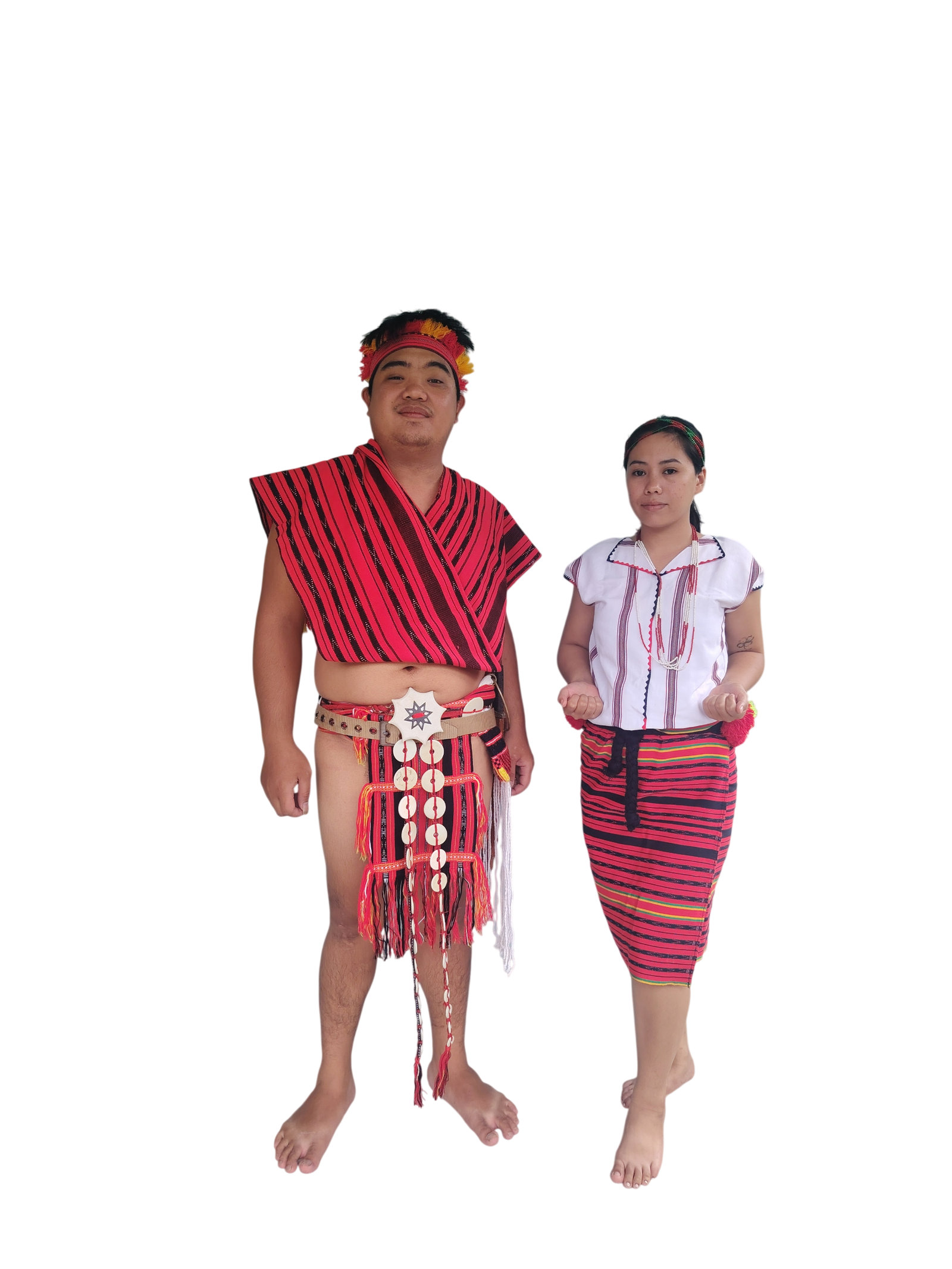
The Ifugao dances maybe classified as either festival or ceremonial. A dance is considered festival when it is performed by the general public during a festival. It is then considered ceremonial when it involves a ritual. Dinnuy-a is performed either as a ritual or a festival dance depending on the occasion. It is performed in the different places in Kiangan, Lagawe, Hingyon, Banaue, and Hungduan although they have different versions. There are three or five gong beaters and one lead gong.There could be more performers in the dancing area but for the sake of a good uniform performance, a maximum of 8 pairs is optimum.
View Details →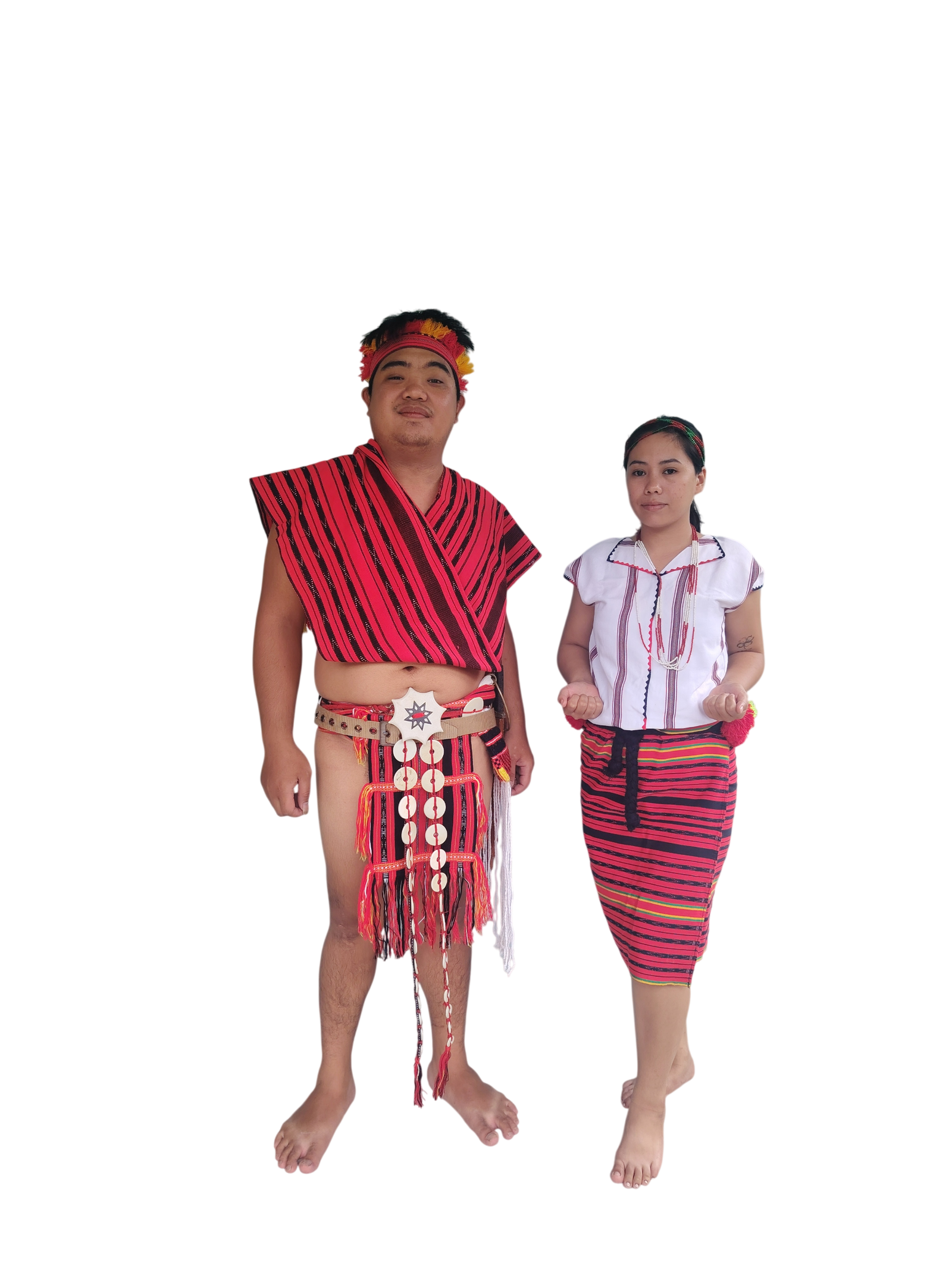
The Futageh is widely danced among the Ayangan people who inhabit the northeastern region of Ifugao Province. The Futageh dance symbolizes the social equality of men and women among Ayangans. It recognizes the important role of the women to the success of the men’s affairs. This dance originated as a victory dance during the holding of the 'cheta’ or 'challong' ritual to celebrate a successful headhunting expedition in the olden time. When law and order where established which ended head-hunting, the Ayangan people continued to practice the dancing of the Futageh in the Ipad ritual. The Ipad ritual is upheld today as a prestige right among the Ayangan people as a celebration of industry, material wealth, good health and successful family life for the sponsoring couple. After the Paghi’ chi fajah and Tongo rituals of the Ipad, the gongs are brought out and the dancing commences. But during the Fullug, the dance before the public meal the following day, only the men who have already sponsored or performed the 'Ipad' or 'Cheta’ can dance accompanied by the interval of the 'gopah' being invoked by the 'mumbaki' / elders who performed the rituals. Nowadays, the Futageh has become a main dance in special occasions such as weddings and other social gatherings. The Futageh is danced in various styles in different places. In the same way, the tempo of the gong beat varies. Mayoyao and Aguinaldo have a fast gong accompaniment; Banaue has slow while Lagawe and the rest of the Ifugao District I perform it differently from the Batad version of Banaue and the Lagawe and Kiangan styles.
View Details →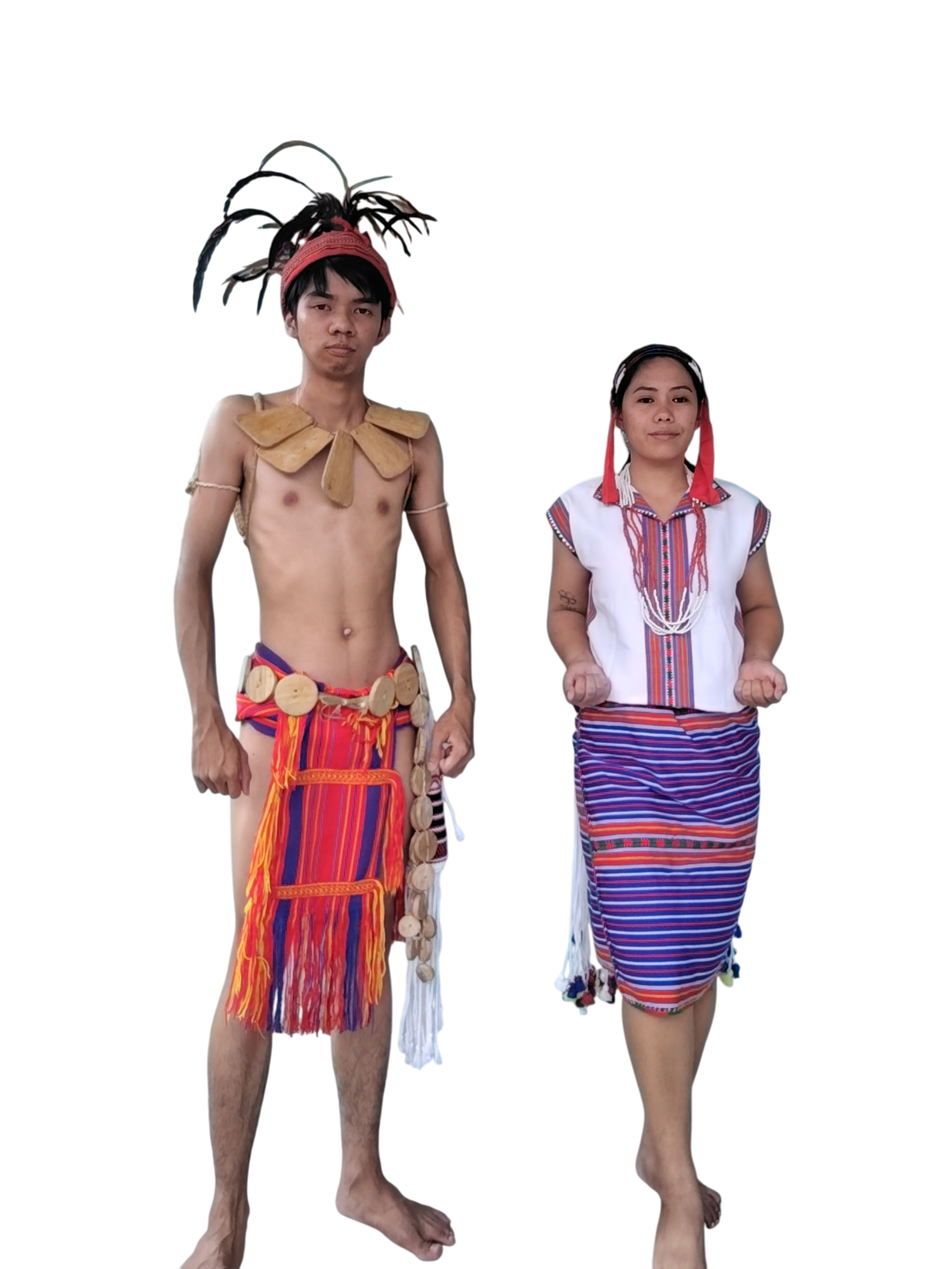
The dance called Henanga refers particularly to the people of Mayoyao. It originated from the root word 'Honga' which means a process or ritual being performed to heal the sick or to drive away the evil spirits. The term Henanga is the past tense of 'Honga'; Henanga then relates to the performance of the ritual to heal a person from sickness and later on the term is also associated to the people of the eastern part of Mayoyao. The Henanga dance is performed to show the greatness of the Mayoyao People, particularly the eastern part of Mayoyao, their pride and sense of bravery. Further, the Henanga dance of Majawjaw people consists of purposeful sequences of human movements that reflect not only some aesthetic and symbolic values but more importantly a movement inside the normal life of the Majawjaw people. This is accented by the traditional garments, bodily ornamentations and musical accompaniments they used which are all nature-based. For E-henanga people, Henanga dance to a large extent is more than incidental caused simply by emotions or movement for its own sake but rather a movement to rhythms that express symbolic as well as cultural meanings. These are movements inside rather than outside the normal realms of the E-henanga life and these are proven in the analysis of the various dance elements and forms. The Henanga dance is full of symbolisms and cultural meanings. The dance itself is symbolic of a flying eagle; the material they used such as dance accessories, costumes, movements, including some musical accompaniments have cultural meanings that speak highly of their deep association with the natural world; the male and female dance movements symbolize the E-henanga character traits; the garments and accessories worn are traditionally symbolic of social strata; the synchronization of the body parts and their accompanying movements are full of grace and lie that shows a deep connection between both the inner and outer self; and these symbolisms and cultural meanings are highly valued by the people themselves so that transmission of these dance forms and functions to the younger generation are considered vital for cultural preservation and promotion. As an important area of cultural heritage, the Henanga dance forms a part of the intangible cultural heritage that needs to be preserved, protected, and promoted. Awareness, knowledge and competencies in performing the dance are considered imperative in perpetuating these intangible cultural heritage (Labhat, 2016).
View Details →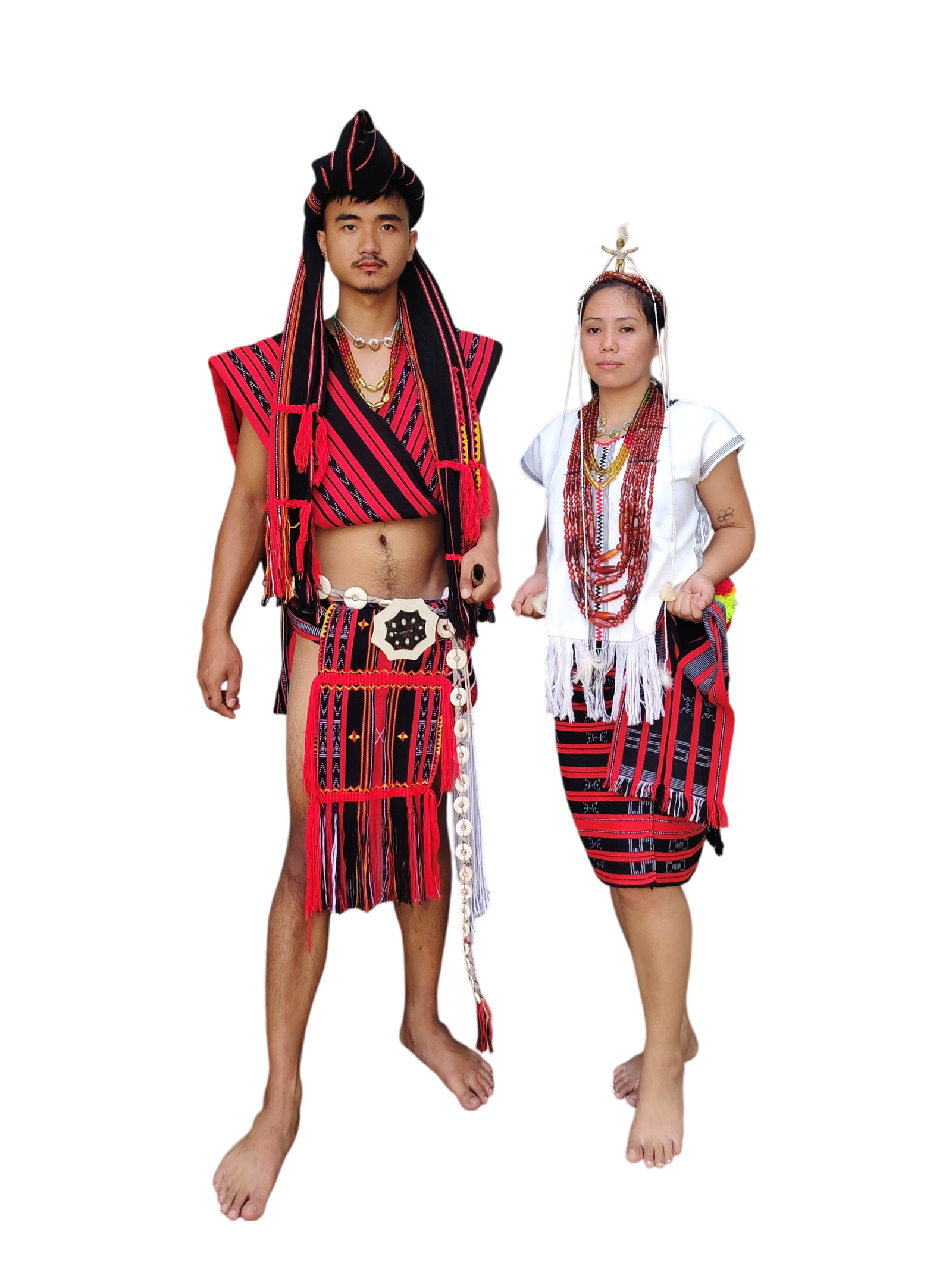
The Pagaddut is a wedding dance which originated in Kiangan. It has a lead dancer called 'tobab'. The gong beater is called 'mambab' or 'inumtubab'. He drums the 'tobab' with his open palms or with one open palm and a closed fist. The 'munhibat' (beater) follow one after the other in rhythmic sequence. In a ceremonial dance, there should be at least two or three gongs used for beaters, and a maximum of six would be ideal. The Pagaddut becomes ceremonial when it is danced during an 'Uya-uy' (wedding of the kadangyan or rich people). This time, the bride wears a headgear called a 'dungdung' while the man wears a headdress called a 'kango'. The bride holds a chicken and the man inserts the head of the chicken on his right side.
View Details →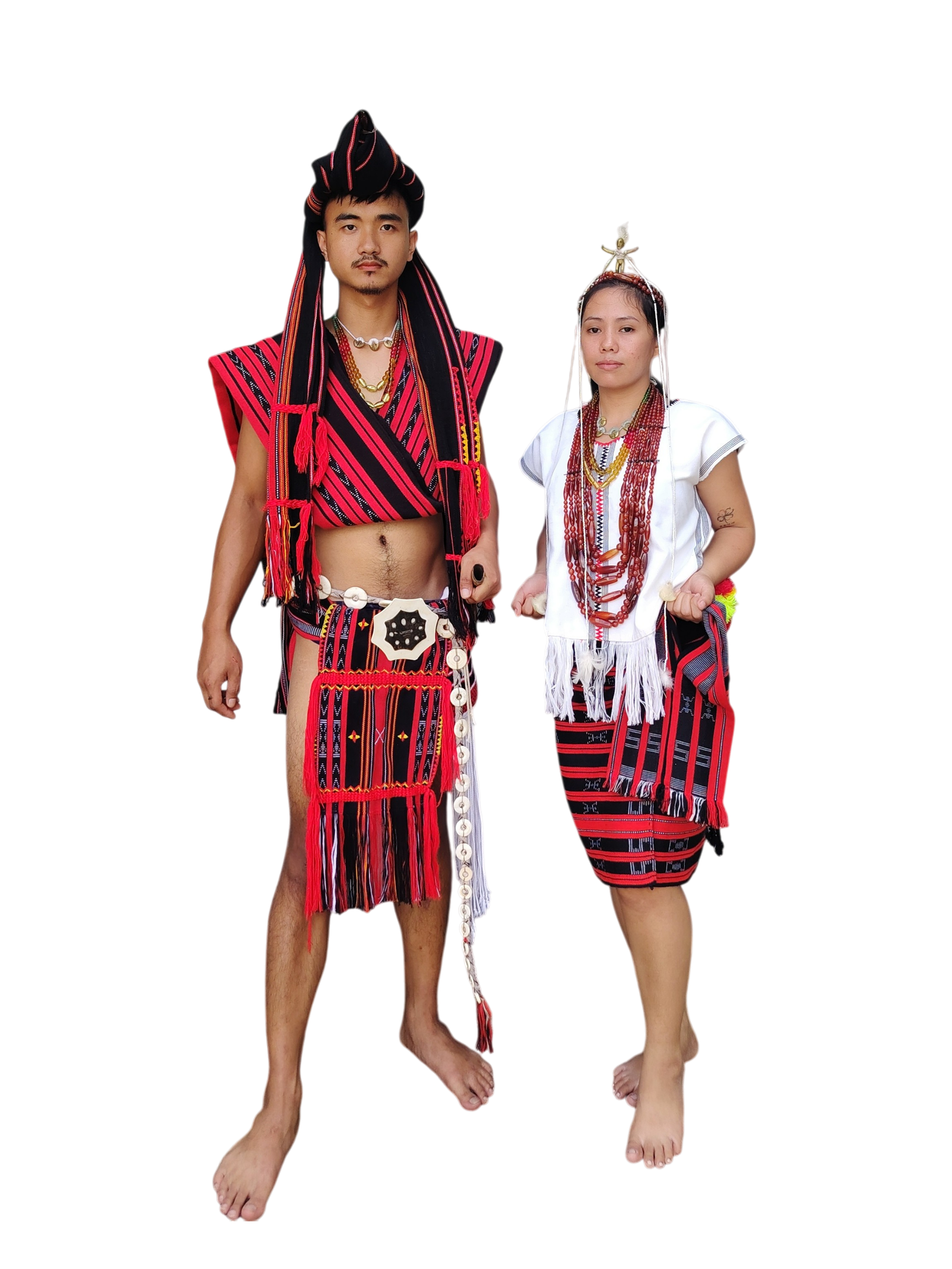
The Tofob dance of the Ayangan of Asipulo consists of purposeful sequences of human movements thst reflect not only some aesthetic and symbolic values but more importantly a movement inside the normal life of the Ayangan people. This dance is usually performed during festivals, weddings, and other occasions. This is accented by the traditional garments, bodily ornamentations and musical accompaniments they used which are all nature-based. For Ayangan, Tofob dance to a large extent is more incidental movements caused simply by emotions or movement for its own sake but rather a movement to rhythms that express symbolic as well as cultural meanings. These are movements inside rather than outside or the normal realms of the Ayangan. The Ayangan people of Asipulo, like any other indigenous communities, have kept their cultures alive by passing on their worldview, their knowledge and know-how, their arts, rituals and performances from one generation to the next. Preserving their cultural heritage has also included (although at a minimal extent) performing and teaching their own dances to the youth, including their profound cultural meanings. Like other cultural expressions, the Tofob is intimately linked to the environment in which the people live. For the indigenous peoples, the land is the core of all spirituality and this relationship to the spirit of the earth is the central to all activities that they do, including the performance of the dances. The materials they use such as dance accessories, costumes, movements, including some cultural meanings associated to the dance speak highly of their deep association with the natural world. The dance has become a symbol of prosperity and bountiful graces to come. Community folks give benediction to dance participants so that this in turn encourages others to participate. The dance also shows the resiliency of the Ayangan, their sacrifices despite everyday obstacles. They also added that the dance is a cultural identity of the people; pride in the dance is a common feeling among the people. It is a practice handed down to them by their ancestors and they are motivated to sustain them (Belingon, 2017).
View Details →